Route Nationale 7, Forgotten… But Not Quite

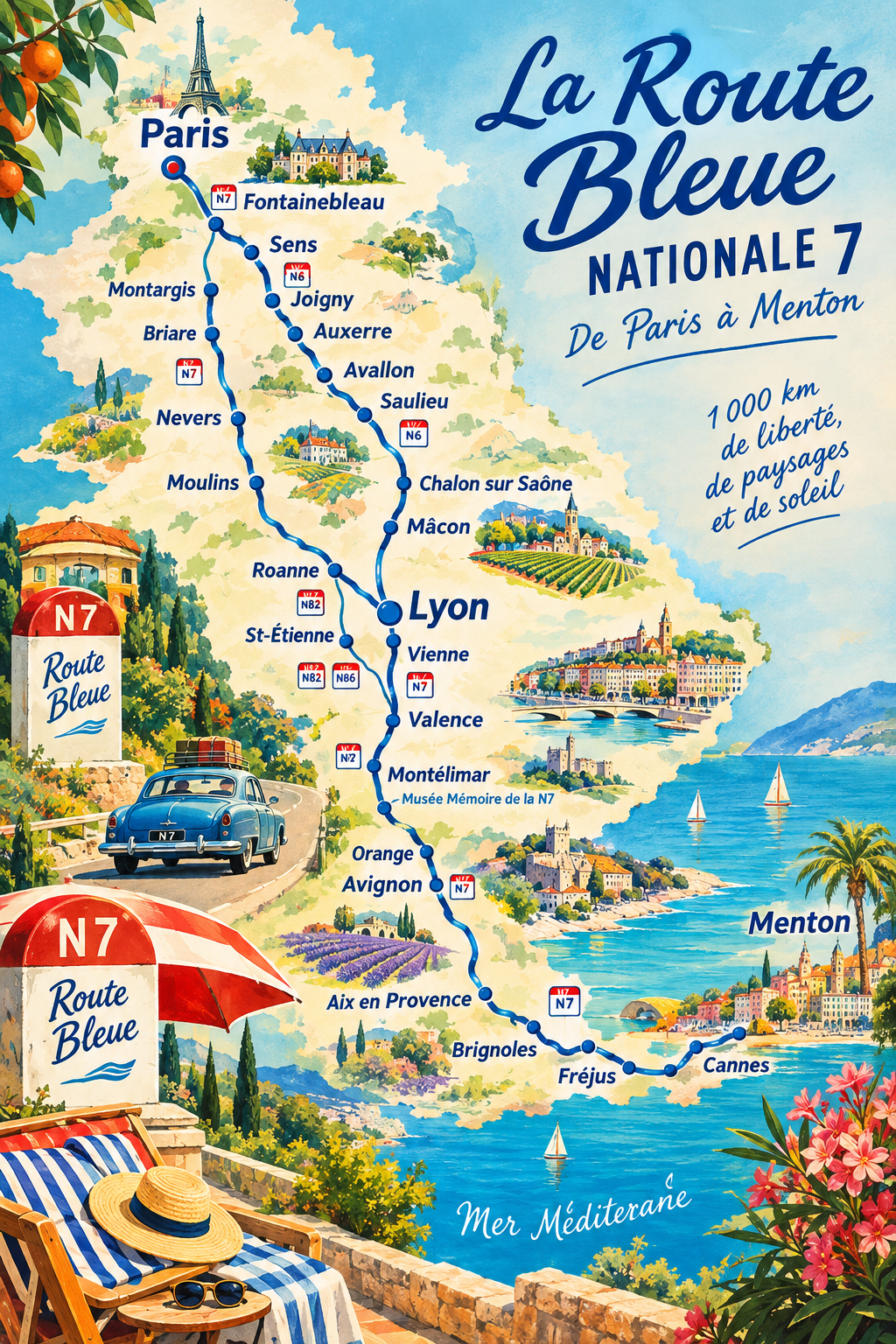
It is a historic and emblematic road in the collective memory of the French. It was the road to freedom and holidays: 996 km separating Paris from Menton.
Even today, it brings together nostalgia enthusiasts and classic car fans, who dress in period clothing and recreate the famous Bouchons (traffic jams) that used to form in the villages and were an integral part of the journey.
Our challenge is to travel the entire route over several trips, bearing in mind that, just as with Route 66 in the United States, the modernization of the motorway network means that some sections of the original route no longer exist.

The route's legacy in French gastronomic culture is undeniable. The creation of the newspaper Les Routiers in 1934 documented the hard life of truck drivers, followed by the spontaneous emergence of places where they could eat, feel a little at home, and take a shower. This is how the Relais Routiers were born.
From a gastronomic perspective, the route fed workers, working-class families and wealthy travelers alike, each with establishments suited to their needs.
A parallel coexistence between the Michelin Guide and the Relais Routiers reached its greatest expansion with the development of the automobile.
The trees, great allies
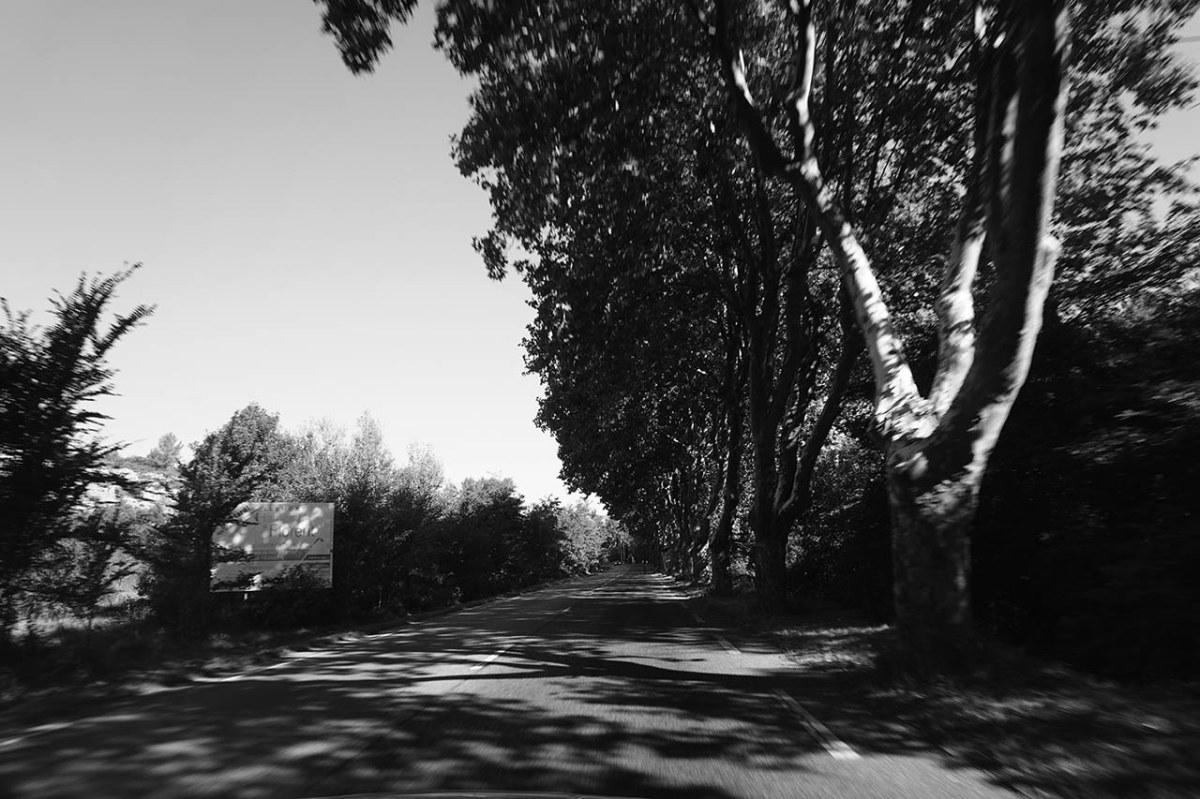
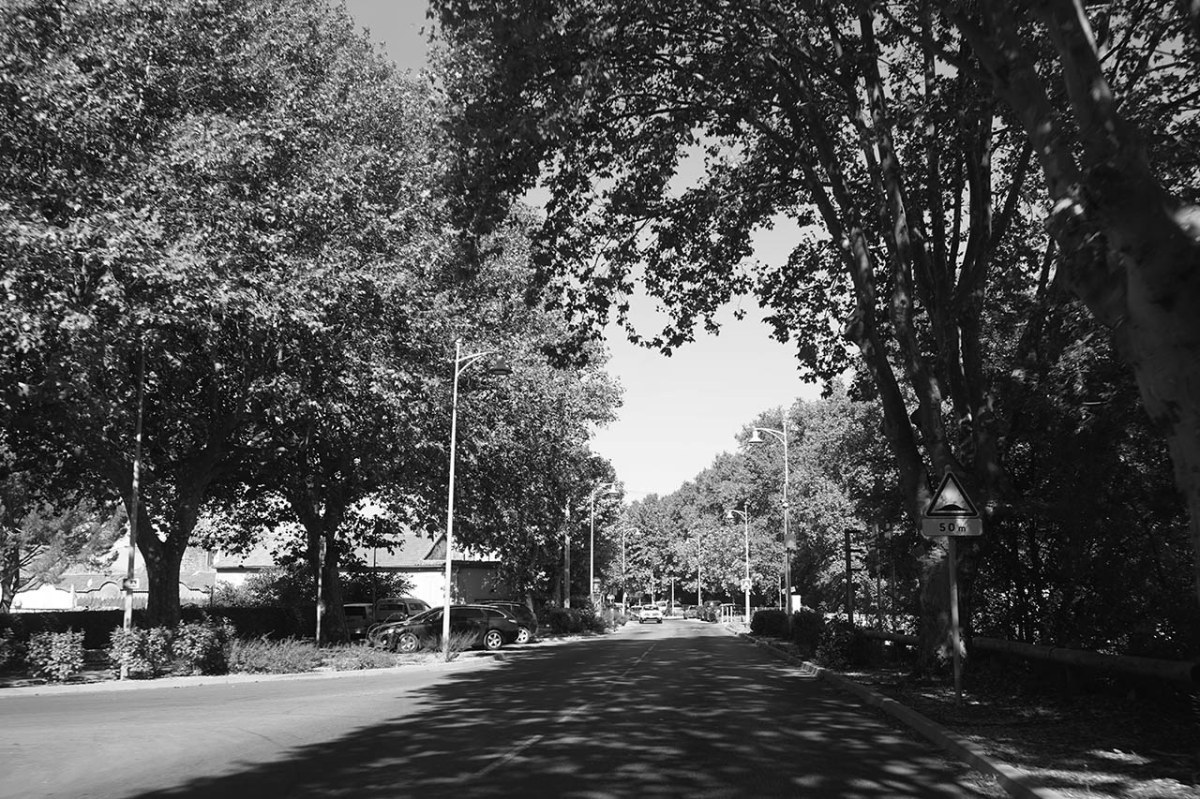
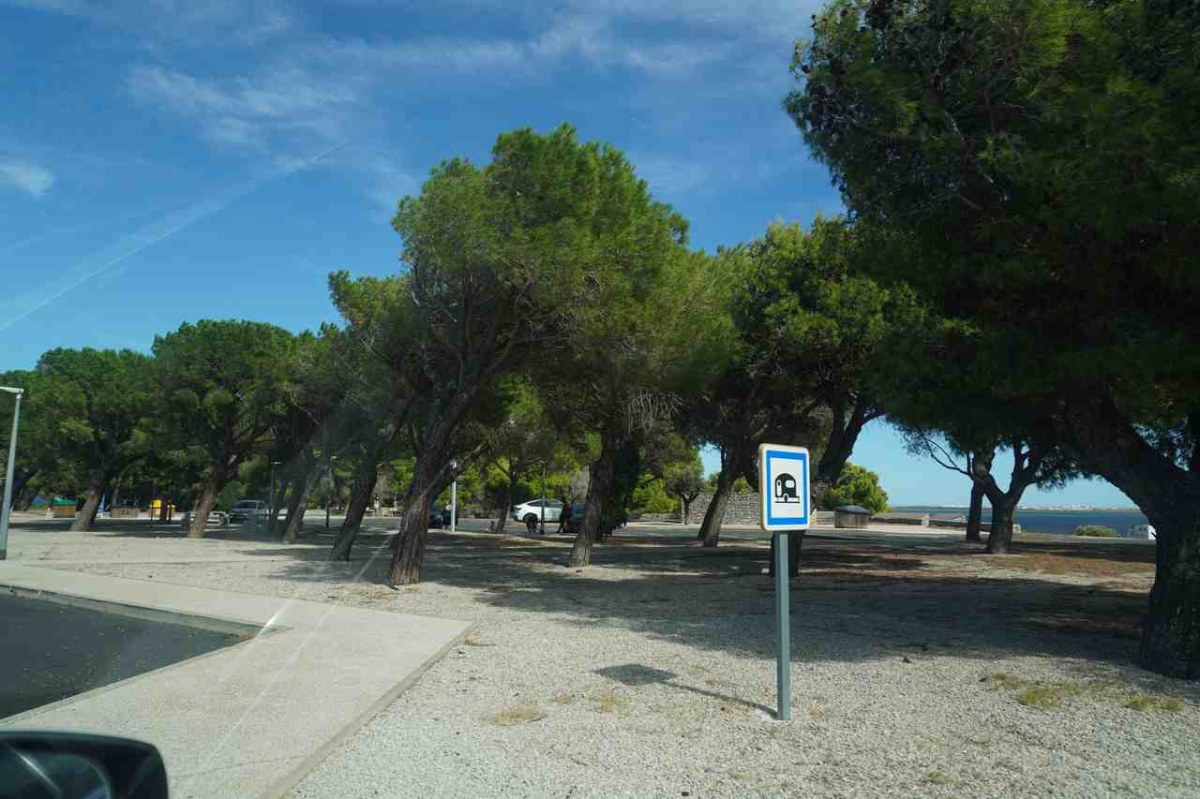
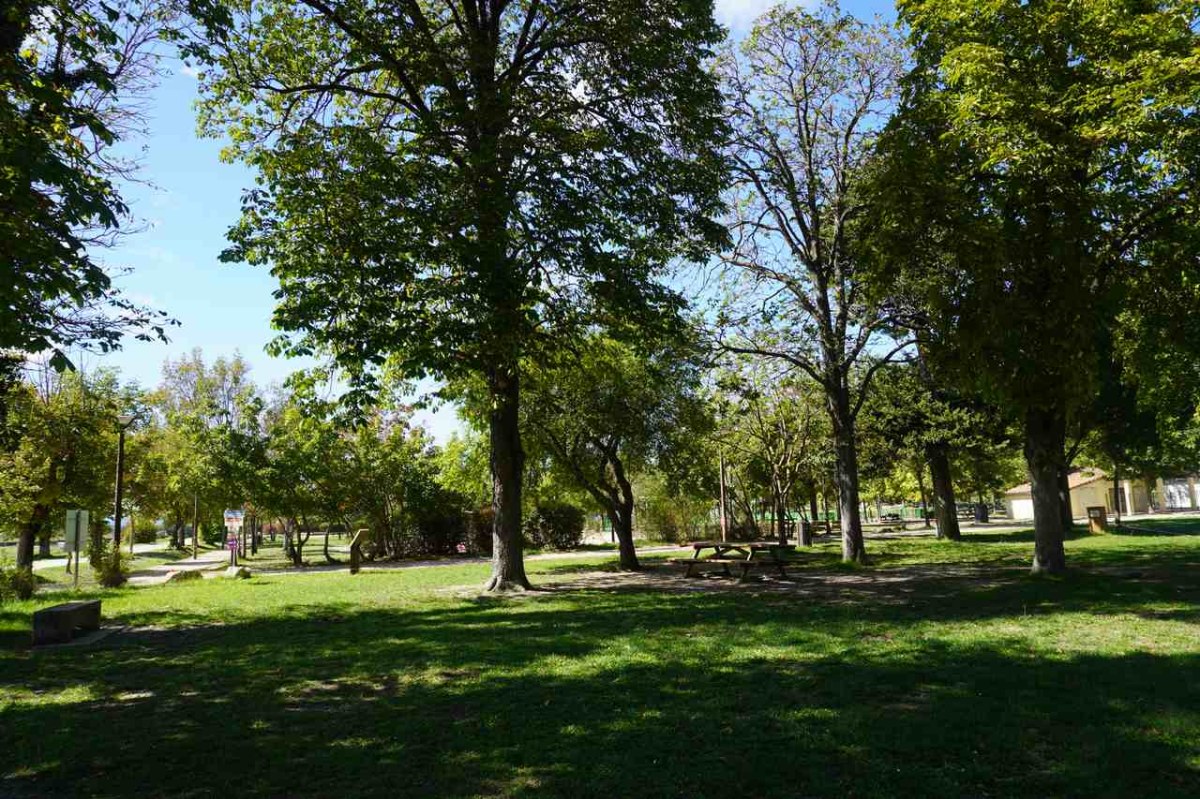
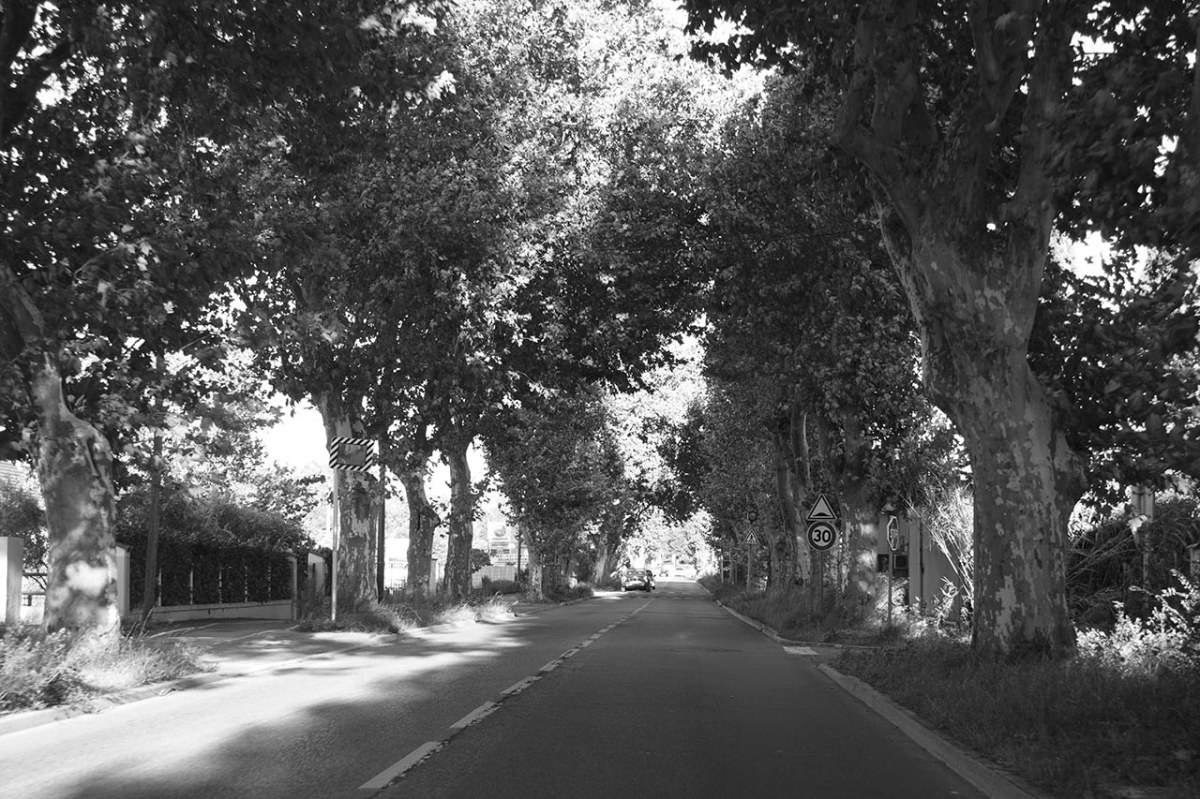
By the end of the 19th century, more than three million trees had been planted along the roads of France, providing invaluable relief to travelers at a time when air conditioning did not exist. These trees offered shelter during prolonged traffic jams, when families would organize picnics by the roadside and enjoy regional products, many of them sold along the route itself. People ate with their families, socialized and shopped: the road was a living organism of experiences that became part of the holiday itself.
The creation of modern motorways led to the closure of many of these places, but some are still operating, while groups of enthusiasts have launched restoration projects, including the preservation of old petrol stations.
The Route Gourmande
Great names made history along the route: the Troisgros brothers, Paul Bocuse, André Pic, Eugénie Brazier, Michel Chabran and Fernand Point created iconic Michelin-starred establishments. Two restaurants, La Pyramide (Fernand Point) and Maison Pic (André Pic), are still operating today, modernized but remaining on the original route.
It was a generation of chefs who helped drive the Nouvelle Cuisine, a revolution that brought major changes to French cooking.
We could therefore say that the route went through five major stages during the 20th century:
- The first, as a working and commercial route.
- The second, the period of World War II, with the German occupation and an extremely difficult time for the regions and villages along the route.
- The third, with the post-war boom: the development of the automobile, the transformation of holidays and family life, and the rise of the Relais Routiers.
- The fourth, the modernization of the motorways and the commercial death of the route. Without traffic, there is no commerce, and the route slowly began to fade away.
- A fifth stage: heritage revival. Although it differs from Route 66 in the United States, where people from all over the world dream of driving it, the DN7 is a road marked by local nostalgia, deeply French in character. However, there is certainly room for visitors from other countries to discover it and make contact with this deeper, less-known France, with its living history of culture and gastronomy.
And there is also that universal language of the road: travelling, moving forward, discovering different realities from one kilometre to the next, landscapes, villages and emotions; experiencing something we may never have lived through ourselves, yet which awakens our curiosity. We should not allow this historical and cultural heritage of our countries to disappear. There is still so much history left to travel. And we will be there.
What did we see during this first stage of our journey?
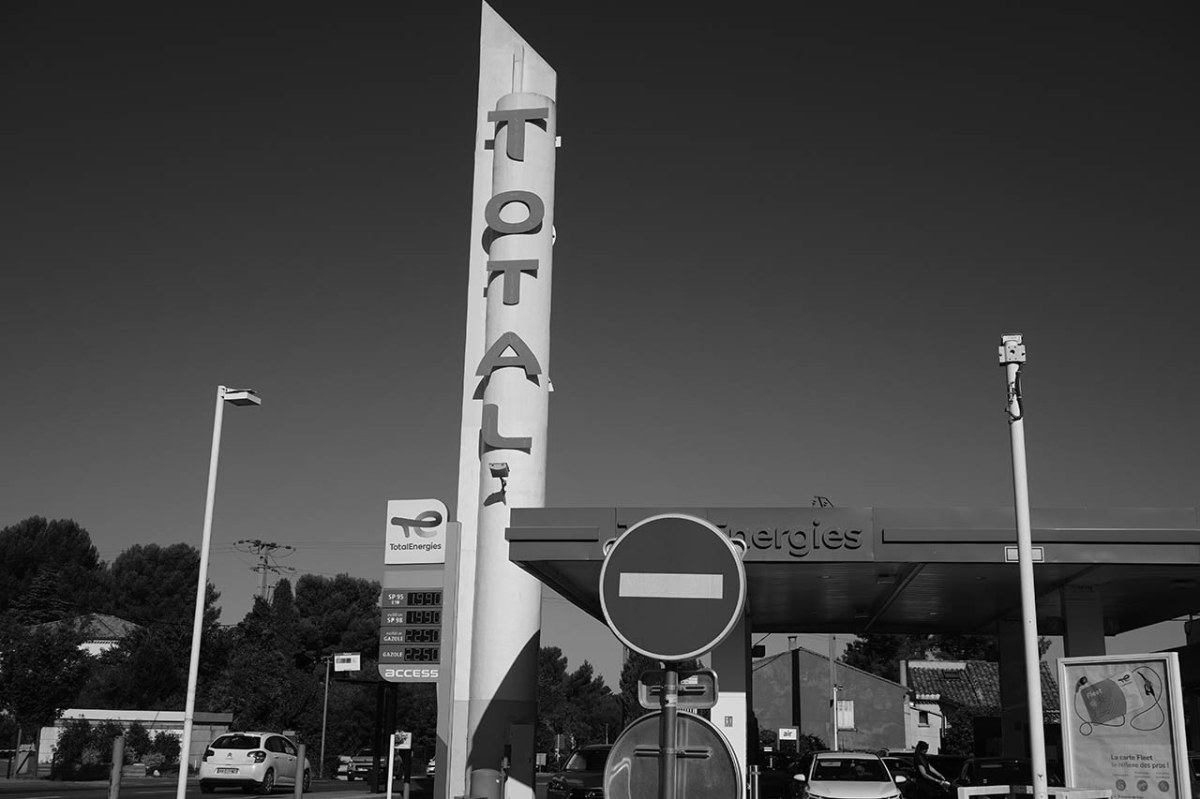
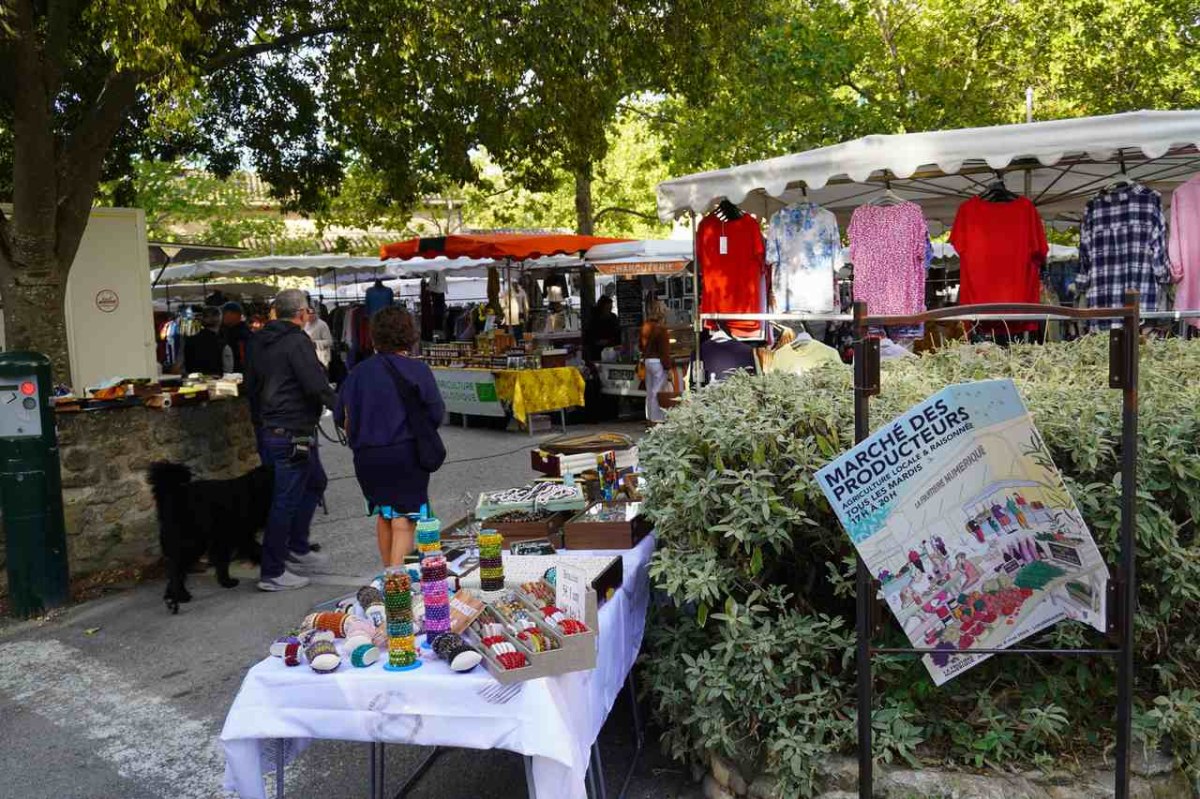
45 km out of 996: we travelled through the area from Aix-en-Provence to Orgon. In Aix-en-Provence, you can see a Total petrol station with the old sign that belonged to an earlier version of the station. Leaving Aix-en-Provence, vineyards and wineries begin to appear, along with open-air antique dealers.
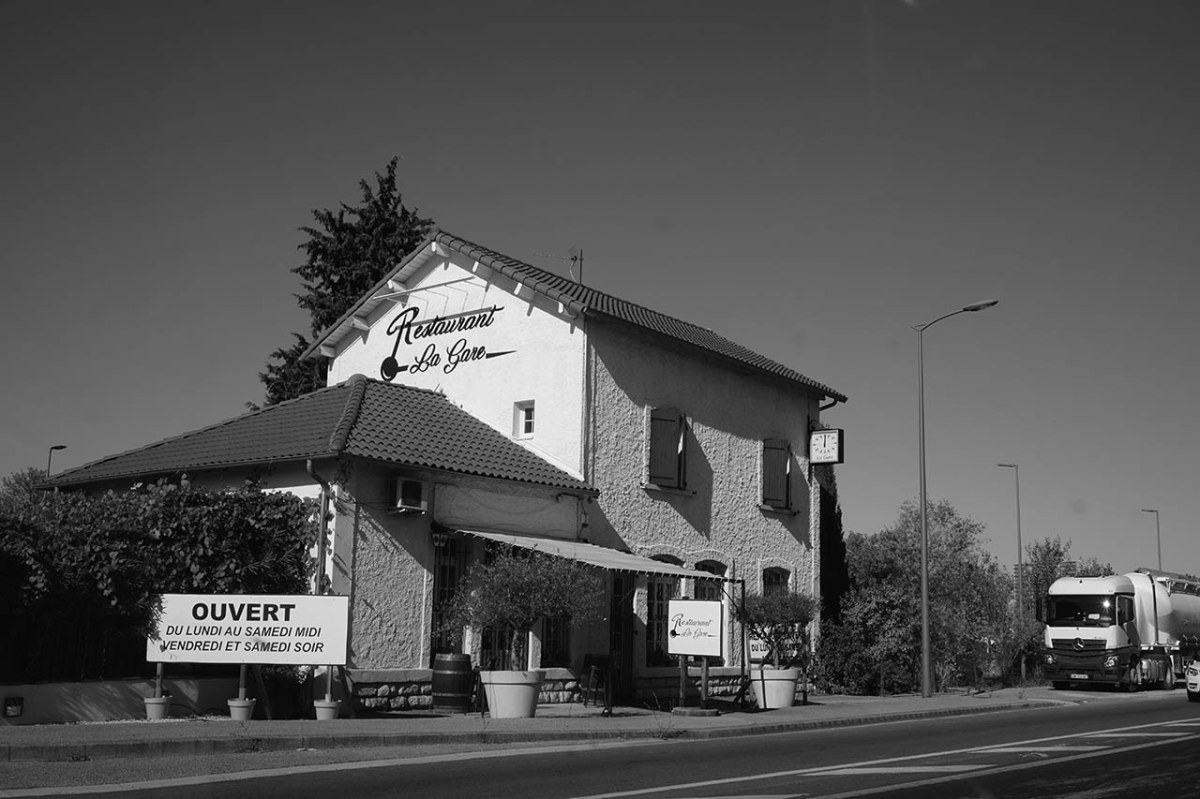
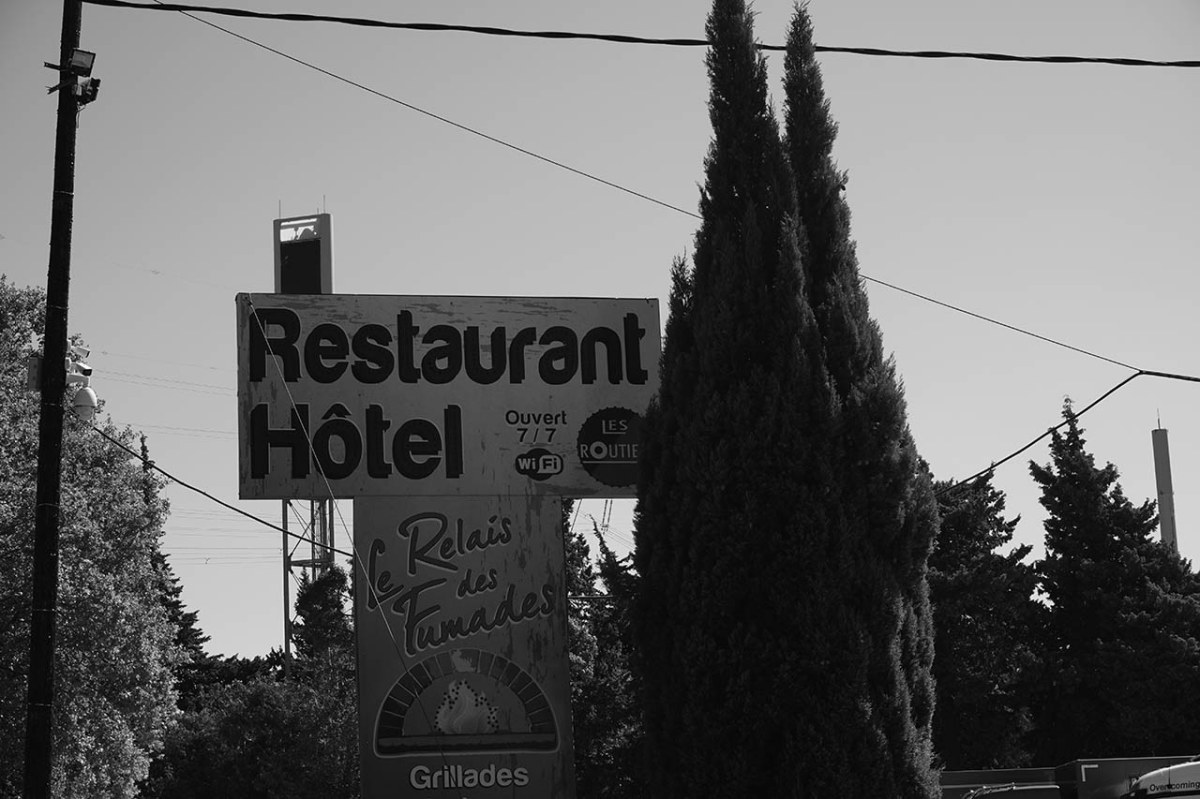
In Orgon, high above the town, you will see the chapel of Notre-Dame de Beauregard. There are also museums, and this is where we found the first Relais Routier of our journey: Relais des Fumades (see article), which also offers hotel accommodation.
There is also Camping La Vallée Heureuse, right in the heart of the Alpilles, suitable for campers. From Orgon, the cycling and walking route La Durance à Vélo also begins, following the Durance area and passing through the Durancette.
More information: https://orgon.fr/
A route so important that it even has its own song!
Road spirit: debuencomer.com has travelled more than 700,000 km producing its stories.
Images