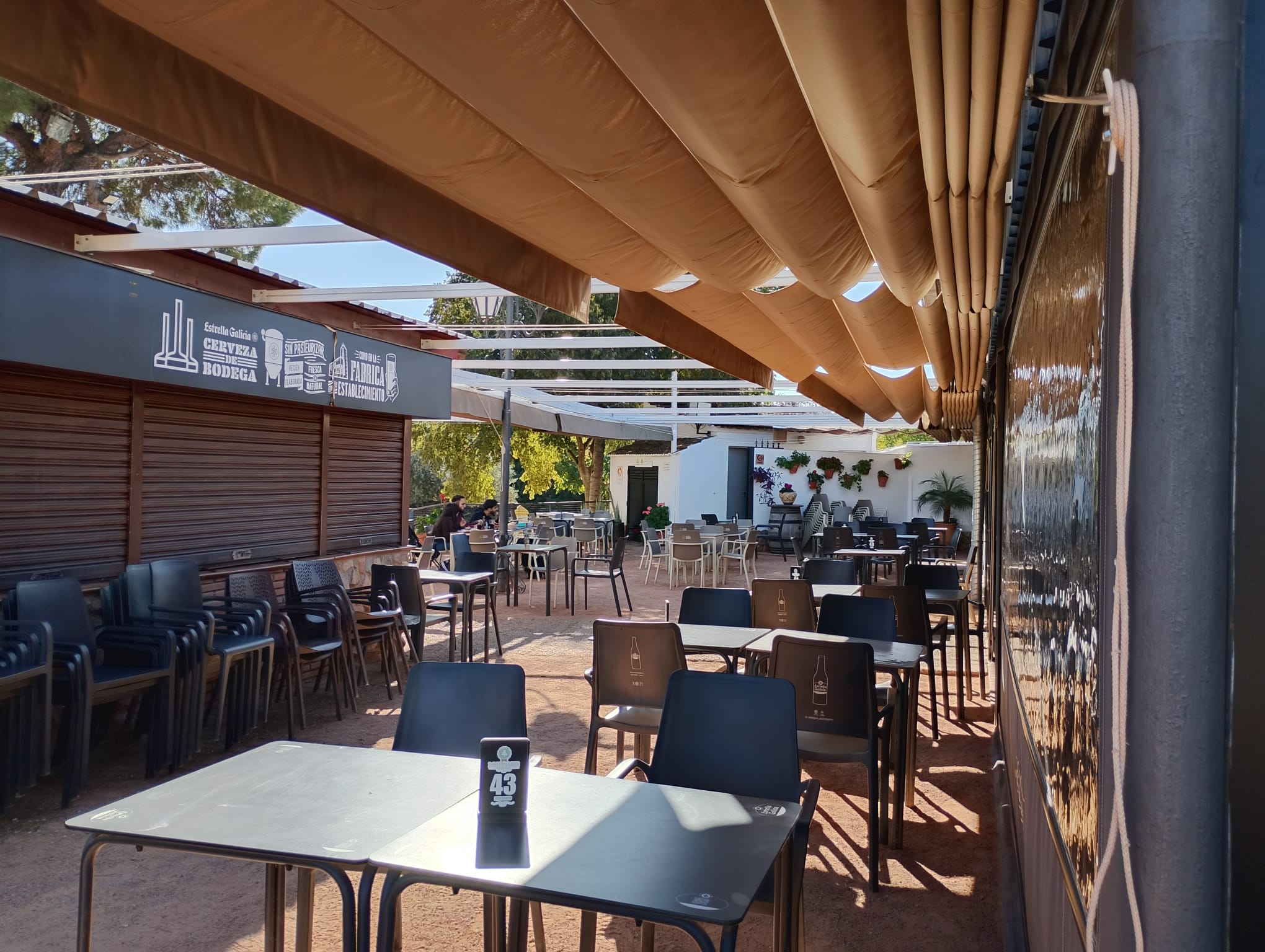
The sovereignty of time over the tyranny of metrics.
This idea emerged while looking at how other companies measure their impact.
A large company needs to measure. It has a department, a person in charge, a coordinator.
At Debuencomer, we also work with metrics every day. Our system helps us understand the results and make better decisions. Sustainability emerges as a result of that journey.
But the question that interests us is a different one.
What does the small business owner do?
The one who cannot afford a system like Salesforce.
The one who cannot afford to hire someone to manage it either.
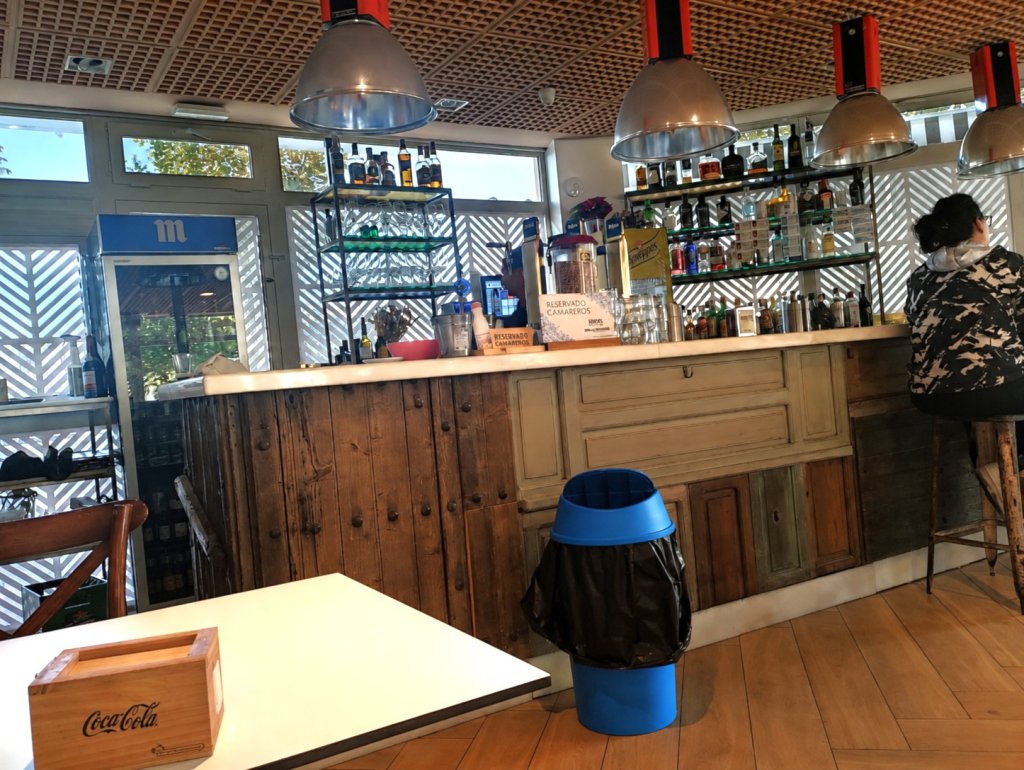
The one who has to serve customers, place orders, control costs and, when necessary, get behind the bar.
For them, metrics are also necessary, but the problem is the same as always: how much do they cost, in money and in time?
And that is where metrics become a tyrannical objective. Necessary. But tyrannical.
Let us be clear: this is not about measuring less.
Measuring is not only about making decisions: it is about knowing where our time, money and energy are going. And what can be seen can be changed.
A kilogram of food that does not end up in the bin is a resource put to good use. An hour of work that is not lost on an unnecessary task is too.
Time. Money. Food. Energy. People.
Metrics are necessary.
But for small businesses, time is sovereign.
We have to make the most of those 1,440 minutes in the day to keep doing everything we already do and, on top of that, begin the digital transition.
It is worth asking:
How can we measure our resources without consuming the resources we need to manage them?

Lawyer, Master in Public Policy from UTDT. Currently pursuing a Master's degree in Advances in Gastronomic Sciences at the University of Córdoba (UCO).
She can be contacted at rocio.lopez@debuencomer.com