What is reduced until it disappears is also waste.
Every kitchen waste-control system starts from the same point: weighing what is discarded. Peelings, bones, trimmings. Solid waste has a scale and a record.
Liquid waste does not.
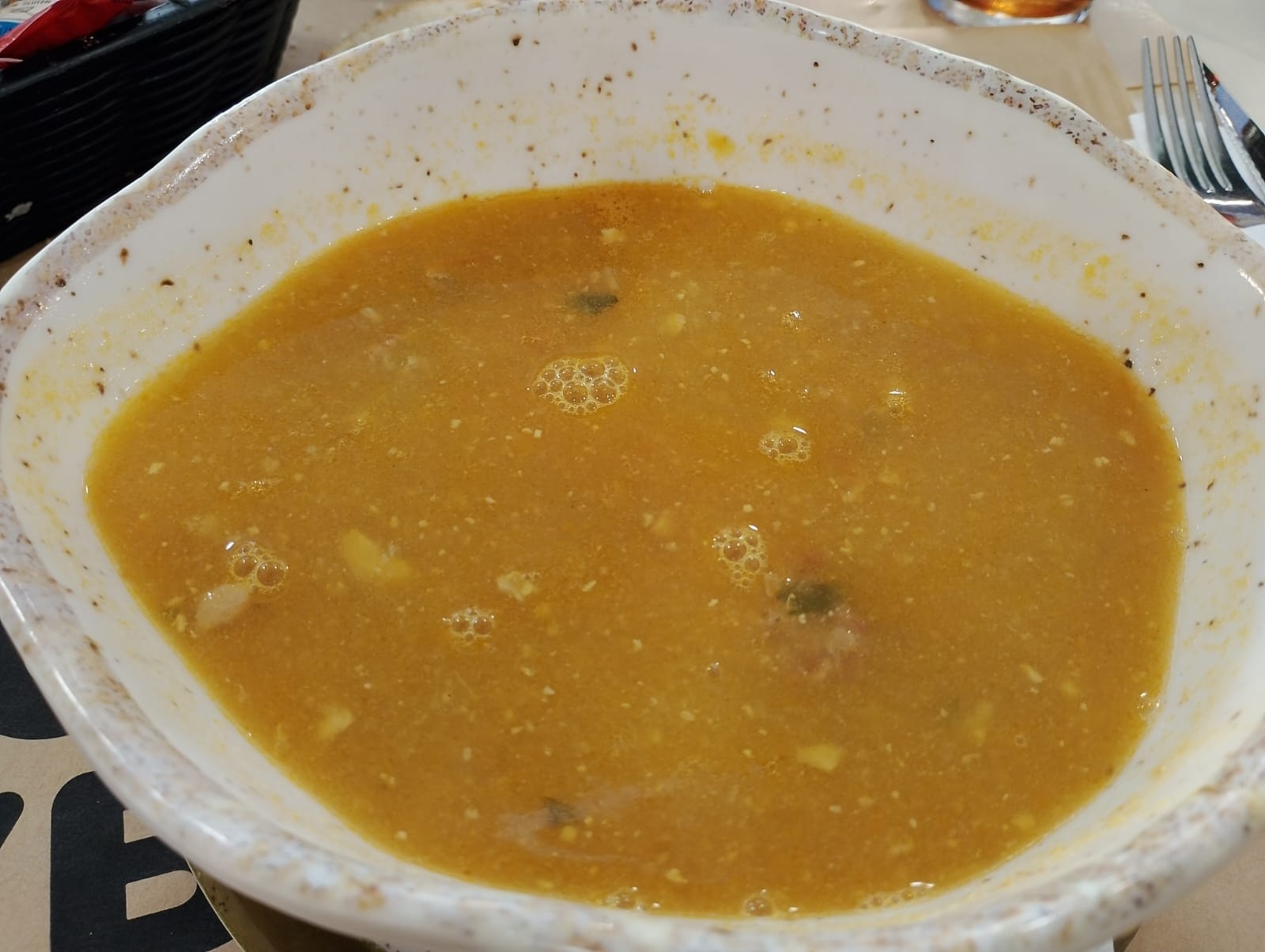
A reduction that goes too far and ends up at the bottom of the pot. A stock that is reduced too much and cannot be recovered. A sauce that ends up down the drain. None of these things are weighed before being discarded. They simply disappear, without ever passing through any waste-control system.
I am not aware of any established method that makes it possible to measure this within a real kitchen operating with limited resources. And much of the innovation in food-waste measurement — sensors, smart scales, artificial intelligence — is designed with large kitchens in mind, with dedicated budgets and staff.
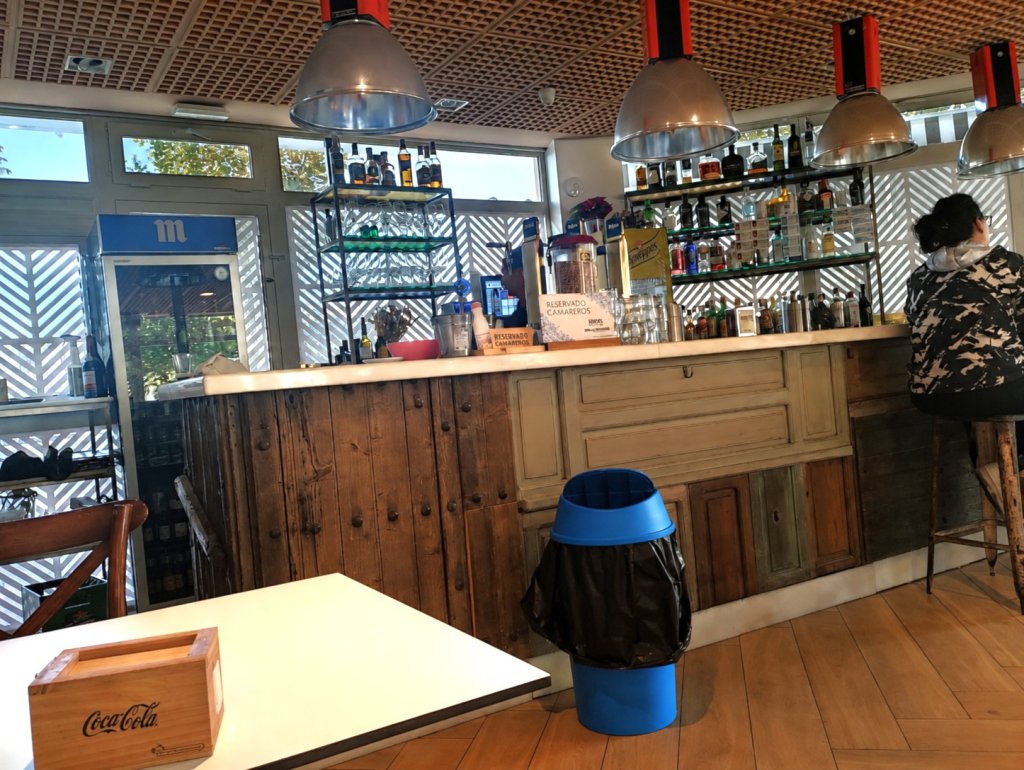
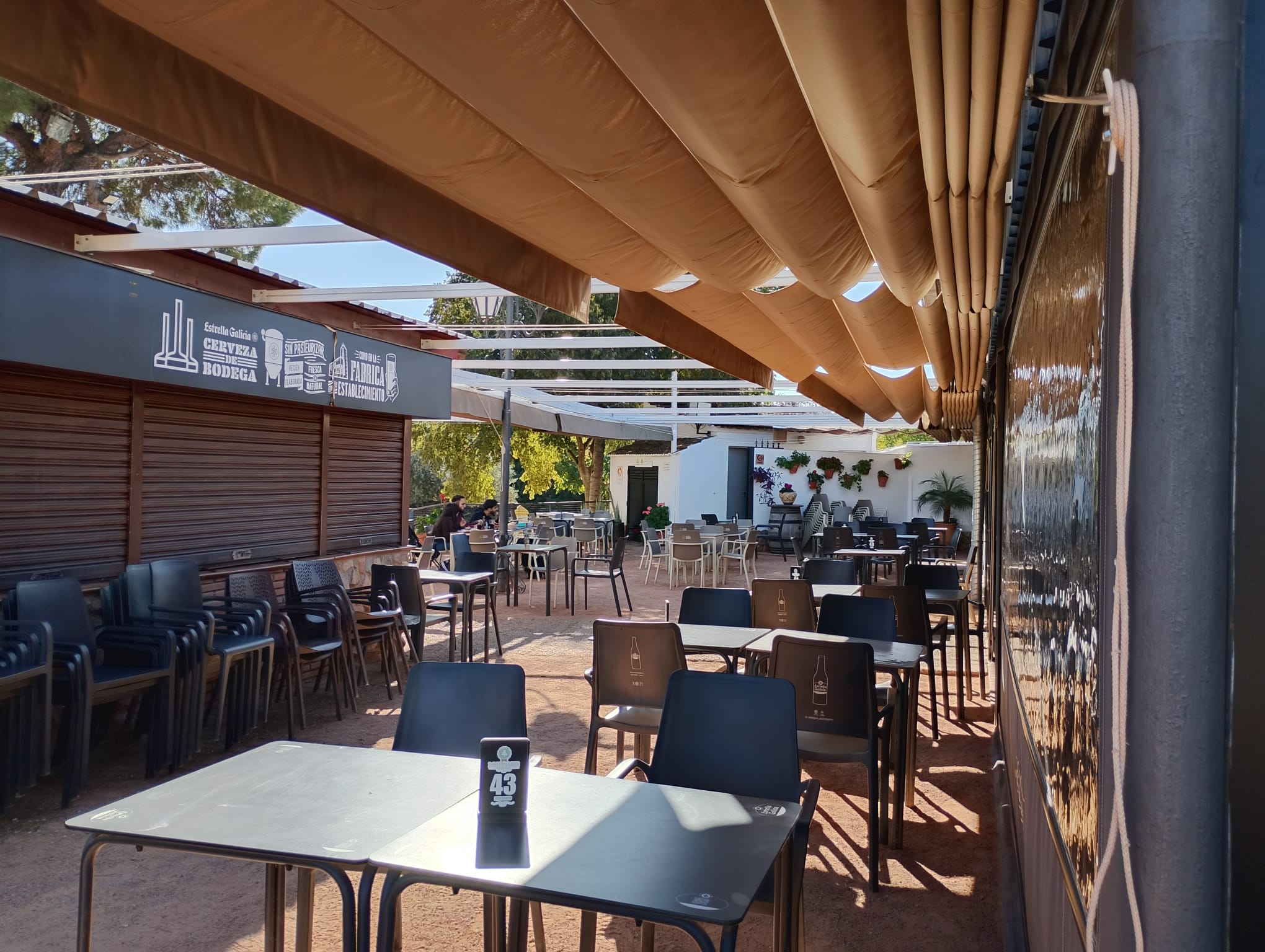
It is still difficult to imagine how this kind of control could be incorporated into a rural bar with a shared kitchen, where a reduction is monitored by eye while ten other tasks are being carried out.
This is not a question of awareness. It is that, at that exact moment in the production process, there is simply nowhere to stop and measure.
The European methodology for measuring food waste itself acknowledges the difficulty of measuring waste when it is discarded as wastewater or mixed with it.
A limitation in measurement is not a limitation in the loss.
If what we cannot measure remains outside our indicators, how much of what we lose in the kitchen are we simply not seeing?
To learn more about the European methodology for measuring food waste, I recommend consulting EU 2019/1597, concerning the common methodology and minimum quality requirements for its measurement: EUR-Lex — EU 2019/1597

Lawyer, Master's Degree in Public Policy from UTDT. She is currently pursuing a Master's Degree in Advances in Gastronomic Sciences at the University of Córdoba (UCO).
She can be contacted at rocio.lopez@debuencomer.com