Designing for Hospitality Professionals, Not for Designers
By the debuencomer.com Editorial Team
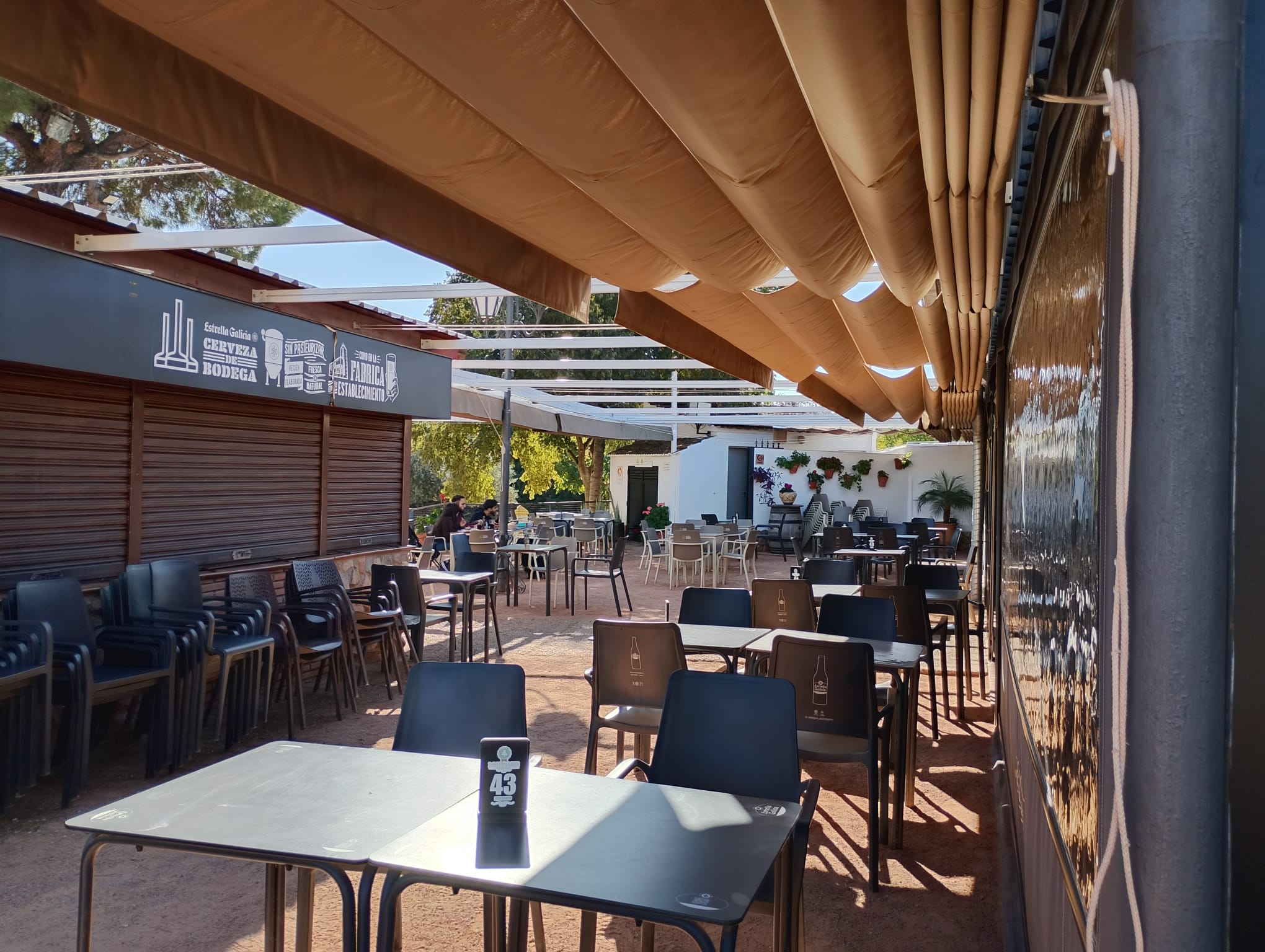
For the past 22 years, we have been helping the hospitality industry with technology solutions, focusing on small independent businesses and rural hospitality operators.
In the digital transformation of the hospitality sector, there is a constant temptation to standardize everything. But hospitality is not always standard.
To truly design solutions for hospitality professionals, you need to understand what it means to spend 16 hours on your feet in a kitchen. It means managing the business, clearing tables, dealing with difficult customers, complying with taxes and regulations—often with little or no rest, seven days a week, and sometimes without the staff you actually need.
When technology solutions fail to understand that reality, fragmentation becomes inevitable. As a result, the day-to-day operations of hospitality businesses become even more complex.
On June 18, 2026, Spain's State Secretariat for Tourism, through SEGITTUR, in collaboration with Hospitality of Spain, presented a study confirming something we have witnessed firsthand for years:
A lack of integration turns technology into an obstacle rather than a support, while a lack of organization increases friction for hospitality professionals instead of reducing it.
I believe the most valuable technology is the technology that adapts to the needs of hospitality professionals—not the other way around. It doesn't have to be the newest, the most expensive, or the one capable of measuring how many times a bathroom light is switched on.
To be clear, that kind of technology is also valuable and necessary. It is simply not the right solution for everyone.
Standardizing an industry as diverse as hospitality is far from easy.
Perhaps it is time to embrace a diversity of solutions that, paradoxically, can still work together as one integrated ecosystem.
Because, in the end, how much can technology really help if it does not understand the people it is meant to serve?
I encourage you to read the SEGITTUR report at the following link:
https://lnkd.in/eVs4F_dE

Lawyer, Master's Degree in Public Policy (UTDT). She is currently pursuing a Master's Degree in Advances in Gastronomic Sciences at the University of Córdoba (UCO).
She can be contacted at rocio.lopez@debuencomer.com